HUB 01
Chef Knives
German or Japanese, first knife or upgrade — chosen by steel, hardness and geometry, not by the brand on the box.
We earn a commission when you buy through our Amazon links, at no extra cost to you. It never changes a ranking, and we say so when the cheaper knife is the better buy. How this works.
Start here — our top pick
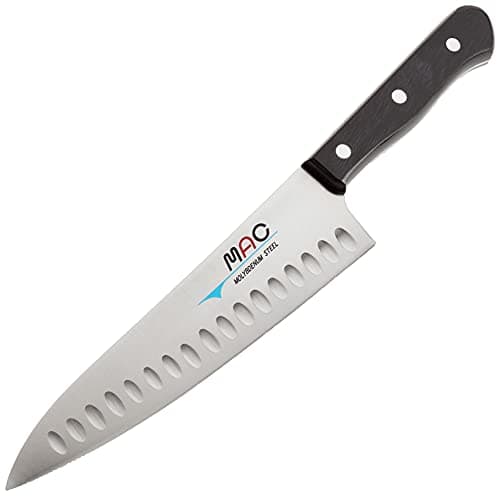
Best overall
Mac Mth-80 Professional Hollow Edge 8" Chef's Knife
The knife a lot of cooks quietly consider the best all-rounder made. Thin, sharp, and it stays that way.
A chef's knife is the one knife worth thinking hard about. It does almost all of the cutting, it's the knife you'll hold for decades, and the differences between a $45 blade and a $190 one are real but not in the direction most marketing points you. This hub sorts the category by the three specs that actually decide how a knife cuts — steel, hardness (HRC), and geometry — and then tells you which one to buy.
The one decision that matters: German or Japanese
Almost every chef's knife is a variation on two philosophies. German knives(Wüsthof, Zwilling, Henckels, Mercer) use softer stainless steel around HRC 56–58, ground to a wider ~15–20° edge. They're heavier, tougher, more forgiving of abuse, and they roll rather than chip — but they need honing often and lose their edge faster. Japanese knives(MAC, Tojiro, Shun, Global, Miyabi) use harder steel around HRC 60–61, ground thinner to a keener ~10–15° edge. They're lighter, sharper, and hold that edge far longer — but a hard, thin edge chips if you twist it through bone or treat it carelessly. Neither is "better." The right answer is the one that matches how you cook and how carefully you treat a knife. Our Japanese vs German comparison walks the whole trade-off, and chef knife vs gyutoputs the two versions of the same knife side by side — hardness, grind and what happens when each edge finally gives up. If you've settled on Japanese, gyuto vs santoku is the next shape decision — and if a vegetable specialist tempts you, santoku vs nakirisettles that one. Once you've settled on the santoku, the best santoku knivesroundup ranks the field from budget workhorse to Damascus showpiece — and if the flat vegetable blade won instead, best nakiri knives does the same for that shape.
What actually decides how a knife cuts
Weight and balance are what you feel first, but they're a matter of taste. The specs that decide performance are the steel, its hardness, and the grind:
- Steel sets the ceiling on how sharp an edge can get and how long it holds. Our knife steel guide explains what X50CrMoV15 and VG-10 actually buy you.
- Hardness (HRC) is the trade-off dial: harder holds an edge longer but chips more easily; softer rolls instead of chipping but dulls faster.
- Geometry — the grind and bevel angle — is why a thin Japanese blade falls through an onion while a thick one wedges and splits it. Our blade geometry guideis the one people skip and shouldn't.
First knife or upgrade?
If this is your first real chef's knife, buy something cheap, forgiving, and easy to sharpen — you'll learn knife skills and sharpening on it, and you shouldn't be afraid to make mistakes on a $45 blade. That's the whole logic of our best chef knives for beginners list, and of the best chef knives under $100. If you cook regularly and want the one forgiving, low-fuss knife to settle on for years, the best chef knives for home cooks list re-ranks the field for the everyday home kitchen. If you already cook confidently and maintain an edge, an upgrade to a harder Japanese blade is a genuine step up — see the best Japanese chef knives and the upgrade tier in best chef knives under $200. Want your very first good knife to be Japanese rather than German? The best Japanese chef knives for beginners picks the forgiving stainless gyutos that survive learning. The overall ranking lives in best chef knives. And if you cook for a living — or just want to know why line cooks overwhelmingly carry sub-$50 stamped blades rather than the ones in the magazines — the best professional chef knives list re-ranks the same field for grip, sanitation and how fast an edge comes back on a rod. Chasing pure value instead of a price cap? The best chef knives for the money ranks the field on cutting-per-dollar; and if you just want to know what the finest blades made actually are, the best chef knives in the world settles it — with an honest note on where price stops buying a better cut. Torn between two specific brands? We settle the usual match-ups head to head: Wüsthof vs Zwilling, Shun vs Wüsthof, MAC vs Shun and Victorinox vs Mercer.
The mistake almost everyone makes: buying a block set
A 15-piece block looks like value and rarely is. Most cooks use a chef's knife, a paring knife, and a serrated bread knife (the best paring knives and best bread knivesboth cost less than you'd think) — and leave the other twelve slots to gather dust. (Not sure which small knives you actually need? See paring knife vs utility knife.) You're usually better off buying two or three goodknives à la carte than fifteen mediocre ones. When you do add a fourth, make it a specialist that matches how you actually cook — if you buy whole chickens rather than parts, that's a boning knife, and best boning knives ranks the field by flex grade, which is the spec that decides it. The other thing a block set pads its piece count with is steak knives, and those are worth buying separately — best steak knivesranks six sets by the choice that actually decides them, straight edge or serrated. The other specialist worth owning outright is a long blade for roasts and whole birds, because once the cut is wider than your chef's knife is long you are sawing rather than slicing — best carving knives ranks six by blade length and edge face, the two specs that decide it. We say so plainly on the best chef knife sets page — including which sets are actually worth it and when to skip the block entirely. And whatever you buy, a knife is only as good as its edge: budget a stone before you buy your third knife, and read how to sharpen a chef's knife. Budget for where the knives will live, too — a loose drawer takes more edge off a blade in a year than cooking does, and best knife storage ranks the magnetic bars, blocks, in-drawer trays and edge guards by what the blade actually touches.
Everything in this hub
All chef knives
Roundup
The Best Chef Knives
The flagship ranking — German and Japanese, budget to premium, scored on steel, geometry and value.
8 products · 8 with live prices
Roundup
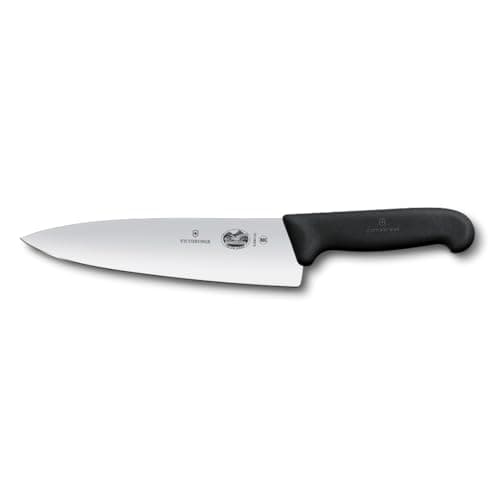
Best Chef Knives for Beginners
First-knife picks: forgiving steel, low prices, easy to sharpen — ranked for someone starting out.
5 products · 5 with live prices
Roundup
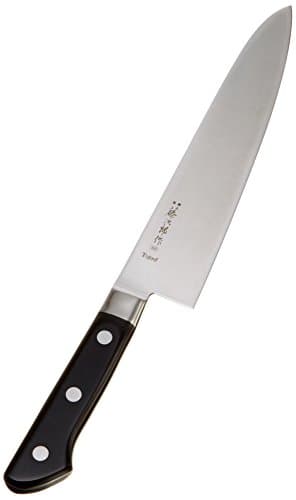
Best Chef Knives Under $100
Seven knives under $100, ranked by score — including the best value in the category, the $75 Tojiro.
7 products · 7 with live prices
Roundup
Best Chef Knives Under $200
Seven chef knives under $200, ranked by score — the upgrade tier, led by the value MAC MTH-80.
7 products · 7 with live prices
Roundup
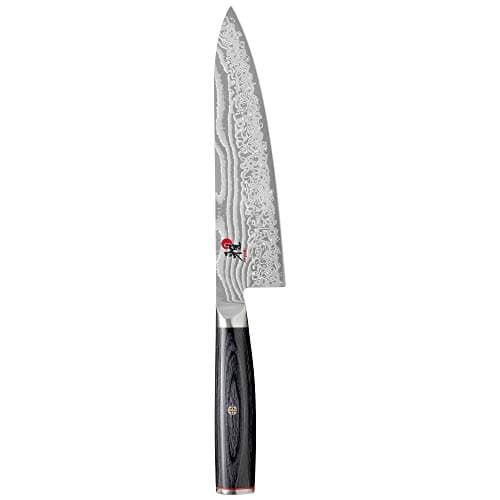
Best Japanese Chef Knives
Five Japanese chef knives ranked by steel and edge — from the value Tojiro to hand-honed Miyabi.
5 products · 5 with live prices
Roundup
Best Professional Chef Knives
Eight knives ranked for professional-kitchen fitness — grip, sanitation, maintenance speed and replacement cost, not prestige.
8 products · 8 with live prices
Roundup
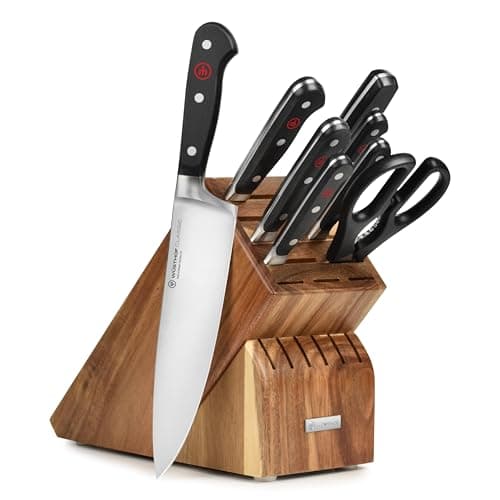
Best Chef Knife Sets
Block sets ranked by knife quality and value — plus the honest case for buying à la carte.
6 products · 6 with live prices
- Guide
Guide
Types of Kitchen Knives
Every common knife shape explained — chef's, santoku, gyuto, nakiri, cleaver and more — and the three you actually need.
- Comparison
Comparison
Chef Knife vs Santoku
Blade length, shape and cutting motion compared — and which all-rounder fits how you actually cut.
Comparison
Chef Knife vs Gyuto
The Western chef's knife and the Japanese gyuto, compared on the specs that decide the trade — plus two knives from each camp.
4 products · 4 with live prices
Roundup
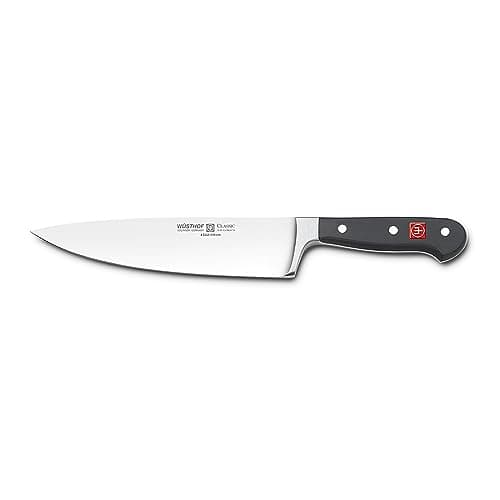
Best Chef Knives for Home Cooks
Seven knives re-ranked for the everyday home kitchen — forgiving steel, low-fuss maintenance and buy-once value over the last sliver of sharpness.
7 products · 7 with live prices
Roundup
The Best German Chef Knives
Forged Solingen workhorses from Wüsthof, Zwilling and Henckels — plus a German-steel budget pick — ranked on build, edge and value.
4 products · 4 with live prices
Roundup
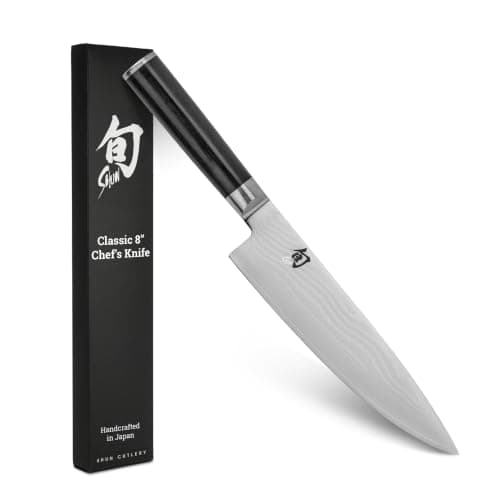
The Best Chef Knife Gifts
Give-able knives across every budget — the wow gift, the safe classic, the smart cheap one — plus how to gift a knife well.
5 products · 5 with live prices
Roundup
The Best Chef Knives for Small Hands
Light, nimble, easy-to-control blades that don't tire a smaller hand — ranked for fit, with live prices and a note on length.
5 products · 5 with live prices
- Comparison
Comparison
Chef Knife vs Cleaver
The chef's knife against both cleavers — the heavy meat one and the thin Chinese vegetable one — and which you actually need.
- Comparison
Comparison
Chef Knife vs Nakiri
The curved all-rounder against the flat Japanese vegetable knife — cutting motion, strengths, and which one you actually need.
- Comparison
Comparison
Chef Knife vs Utility Knife
The all-purpose chef's blade against the mid-size utility knife — what each does, and whether you need a utility knife at all.
Roundup
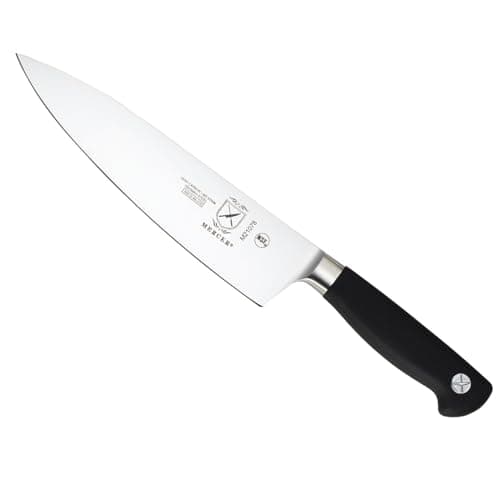
Best Chef Knives for the Money
Ranked on cutting-per-dollar, not raw score: the knives that punch hardest above their price, from a forged $50 workhorse up.
5 products · 5 with live prices
Roundup
The Best Chef Knives in the World
The finest chef knives you can actually buy — hand-honed Japanese edges, real Damascus, the cult all-rounder — ranked by spec, with an honest note on price.
6 products · 6 with live prices
- Comparison
Comparison
Chef Knife vs Paring Knife
Size, jobs and why the chef's knife and paring knife are a team — the two-knife setup that covers most of a home kitchen.
- Comparison
Comparison
Chef Knife vs Bread Knife
Plain edge vs serrated: why a chef's knife can't replace a bread knife, and the jobs each one owns.
- Comparison
Comparison
Gyuto vs Santoku
The two most common Japanese kitchen knives compared — length, tip and cutting motion, and which all-rounder suits you.
- Comparison
Comparison
Santoku vs Nakiri
The all-round santoku against the flat, tall nakiri vegetable specialist — shape, motion and which one to add.
- Comparison
Comparison
Paring Knife vs Utility Knife
Size, jobs and whether you need both small knives — the paring knife for in-hand work, the utility knife for small board jobs.
- Comparison
Comparison
Wüsthof vs Zwilling
Two forged Solingen workhorses compared — the deciding spec is the bolster (full vs sloped), plus Zwilling's ice-hardened edge.
- Comparison
Comparison
Shun vs Wüsthof
A hard Japanese Damascus blade against a forged German workhorse — sharpness and edge life vs toughness and forgiveness.
- Comparison
Comparison
MAC vs Shun
Two hard Japanese blades: MAC's plain cult-favorite workhorse vs Shun's Damascus showpiece — cutting value vs finish.
- Comparison
Comparison
Victorinox vs Mercer
The two best budget chef knives compared — Victorinox's light stamped blade vs Mercer's forged, heftier one.
- Comparison
Comparison
Tojiro vs Shun
Two clad Japanese blades built on the same idea — Tojiro's plain VG-10 value vs Shun's Damascus premium.
- Comparison
Comparison
Miyabi vs Shun
Two premium Japanese knives — Miyabi's ultra-acute hand-honed edge vs Shun's Damascus beauty and locking handle.
Roundup
Best Chef Knives Under $50
Five genuinely good chef knives under $50, ranked by score — the default Victorinox, a forged Mercer, an NSF workhorse and more.
5 products · 5 with live prices
Roundup
Best Forged Chef Knives
Five forged chef knives ranked by score — budget Mercer to benchmark Wüsthof — with what forging actually changes.
5 products · 5 with live prices
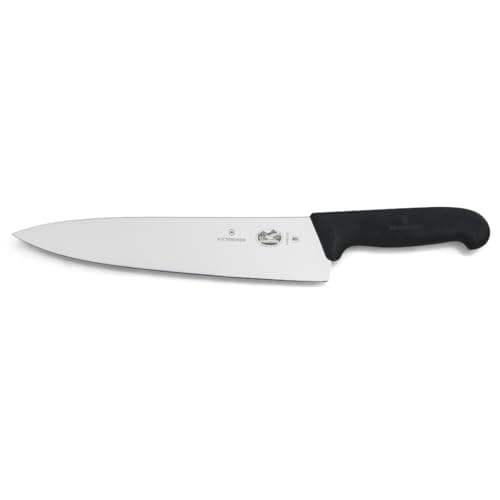
Roundup
Best Chef Knives for Large Hands
Five chef knives ranked for large-hand fit — blade length, heel height and handle fill, not just raw cutting score.
5 products · 5 with live prices
- Comparison
Comparison
MAC vs Wüsthof
The MAC MTH-80 against the Wüsthof Classic — thin Japanese-style cutting vs forged German toughness.
- Comparison
Comparison
Victorinox vs Wüsthof
The budget Victorinox Fibrox against the premium Wüsthof Classic — what four times the price really buys.
- Comparison
Comparison
Zwilling vs Henckels
Zwilling Pro vs Henckels Forged Accent — the premium and value forged knives from the same company, compared.
- Comparison
Comparison
Henckels vs Wüsthof
Henckels Forged Accent vs Wüsthof Classic — value forged German build against the benchmark.
- Comparison
Comparison
Mercer vs Dalstrong
Mercer Genesis vs Dalstrong Gladiator — the plain forged budget workhorse against the heavily-marketed one.
- Comparison
Comparison
Dexter vs Victorinox
Dexter-Russell Sani-Safe vs Victorinox Fibrox — the two NSF budget workhorses of the professional kitchen.
- Comparison
Comparison
Victorinox vs MAC
The Victorinox Fibrox against the MAC MTH-80 — the unkillable budget workhorse vs the thin, hard cook's cutter.
- Comparison
Comparison
Wüsthof vs Global
The Wüsthof Classic against the Global G-2 — heavy forged German toughness vs Japan's light one-piece all-steel design.
- Comparison
Comparison
Dalstrong vs Wüsthof
The Dalstrong Gladiator against the Wüsthof Classic — a heavily marketed value forged knife vs the established German benchmark.
- Comparison
Comparison
Global vs Shun
The Global G-2 against the Shun Classic — a light one-piece steel workhorse vs a hard, Damascus-clad VG-MAX blade.
- Comparison
Comparison
Mercer vs Wüsthof
The Mercer Genesis against the Wüsthof Classic — a forged German-steel knife at a fraction of the price vs the Solingen benchmark.
- Comparison
Comparison
Tojiro vs MAC
The Tojiro DP against the MAC MTH-80 — a clad VG-10 gyuto vs the cook's-favorite molybdenum-vanadium blade.
- Comparison
Comparison
Chef Knife vs Carving Knife
The all-purpose chef's knife against the long, narrow carving knife — what each is for and whether you need a dedicated slicer.
- Comparison
Comparison
Boning Knife vs Fillet Knife
The stiffer boning knife against the flexible fillet knife — flex, shape and which specialist blade you actually need.
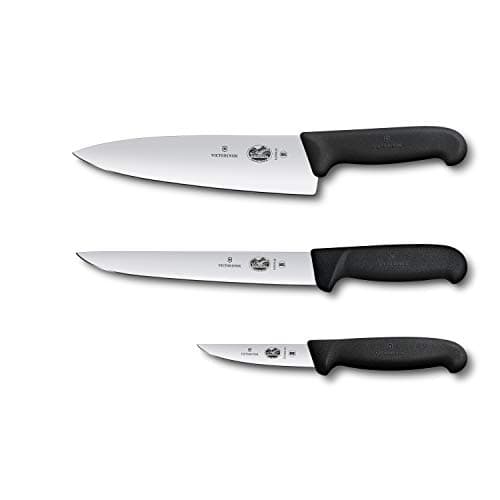
Roundup
Best Knife Sets for Beginners
Five knife sets ranked for a beginner's real needs — the knives you'll actually use, honest value, and how each ages, with live prices.
5 products · 5 with live prices
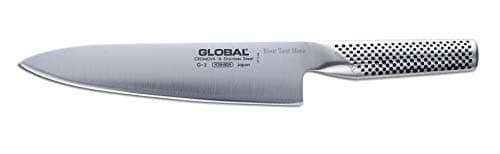
Roundup
Best Lightweight Chef Knives
Five light, nimble chef knives ranked for weight and agility — the seamless Global, the thin MAC, the value Victorinox and more.
5 products · 5 with live prices
Roundup
Best Stamped Chef Knives
Five stamped chef knives ranked by score — thin, light blades that out-cut many forged ones, from the MAC to the Victorinox.
5 products · 5 with live prices
- Comparison
Comparison
Chef Knife vs Chinese Cleaver
The pointed Western all-rounder against the tall, thin Chinese cleaver (caidao) — how each cuts, scoops and handles, and which one to reach for.
- Comparison
Comparison
Dalstrong vs Shun
The flashy, forged Dalstrong Gladiator against the premium Shun Classic Damascus — marketing and value against a genuinely harder, keener blade.
- Comparison
Comparison
Global vs MAC
The seamless all-steel Global G-2 against the thin, dimpled MAC MTH-80 — two light Japanese knives, and which one earns the block.
- Comparison
Comparison
Tojiro vs Wüsthof
The best-value Japanese Tojiro DP against the benchmark Wüsthof Classic — hard-and-keen versus heavy-and-forgiving, and which fits your kitchen.
- Comparison
Comparison
Dexter vs Mercer
The light, NSF commercial Dexter Sani-Safe against the budget forged Mercer Genesis — two excellent cheap workhorses, and which one fits your hand.
- Comparison
Comparison
Victorinox vs Tojiro
The classic budget chef's knife against the cheapest genuinely great Japanese knife — steel, edge and which to buy first.
- Comparison
Comparison
Global vs Victorinox
The iconic one-piece Japanese knife against the classic budget workhorse — weight, handle, steel and feel.
- Comparison
Comparison
Zwilling vs Shun
Heavy German forged steel against a hard Japanese Damascus edge — weight, hardness, care and which premium knife fits you.
- Comparison
Comparison
Tojiro vs Global
A clad VG-10 gyuto against a one-piece Cromova knife — hardness, feel, handle and which value Japanese knife to buy.
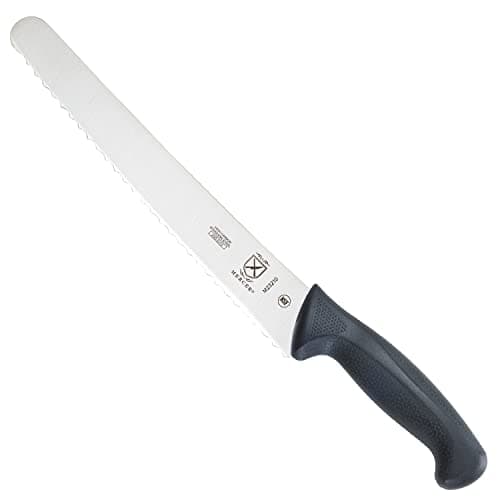
Roundup
Best Bread Knives
Six bread knives ranked for real cutting value — from a $16 workhorse to a forged Wüsthof and a Damascus Shun, with the honest truth about what to spend.
6 products · 6 with live prices
Roundup
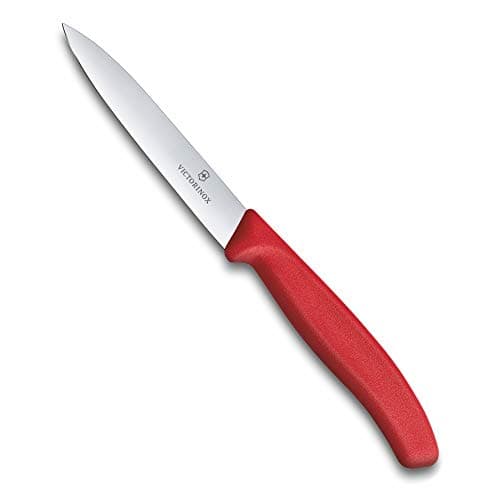
Best Paring Knives
Six paring knives ranked for real value — the $12 Victorinox nearly every cook uses, a forged Mercer and Wüsthof, a serrated tomato knife, a bird's beak, and a Damascus Shun.
6 products · 6 with live prices
Roundup
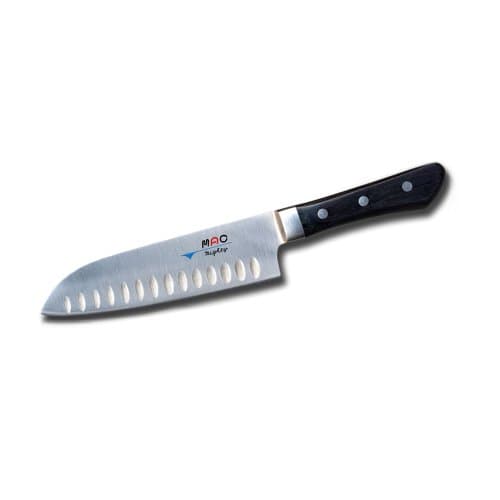
Best Santoku Knives
Six santoku knives ranked with live prices — a hard Japanese Mac, a value Victorinox, the iconic Global, a Damascus Shun, a forged Mercer and a Wüsthof.
6 products · 6 with live prices

Roundup
Best Nakiri Knives
Six nakiri knives ranked with live prices — a thin Japanese Mac, a forged-value Mercer, a Damascus Shun, and forged German blades from Wüsthof and Zwilling.
6 products · 6 with live prices
Roundup
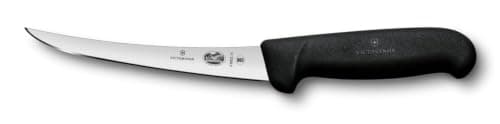
Best Boning Knives
Six boning knives ranked with live prices, organized by the thing that actually decides the purchase: stiff, semi-stiff or flexible.
6 products · 6 with live prices
Roundup
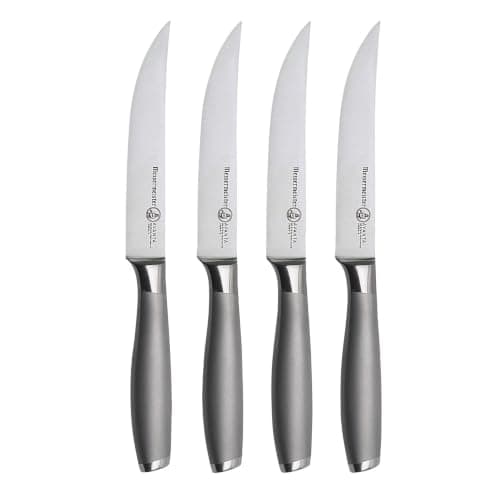
Best Steak Knives
Six steak knife sets ranked with live prices — straight-edge and serrated, four places to eight, with the edge-type trade-off explained properly.
6 products · 6 with live prices
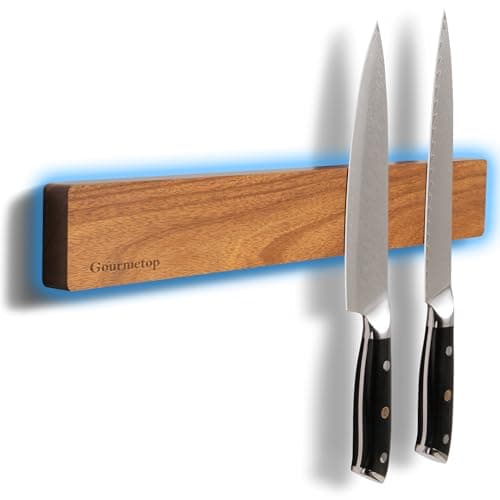
Roundup
Best Knife Storage
Six knife storage options ranked with live prices — magnetic wall bars, a slot-free magnetic block, an in-drawer bamboo tray, PVC edge guards and a padded knife bag, judged on what touches the edge.
6 products · 4 with live prices
Roundup
Best Japanese Chef Knives for Beginners
Seven Japanese chef knives ranked for a first-time buyer — forgiving steel, familiar handles, edges that tolerate mistakes — from the value Tojiro to a first Miyabi.
7 products · 7 with live prices
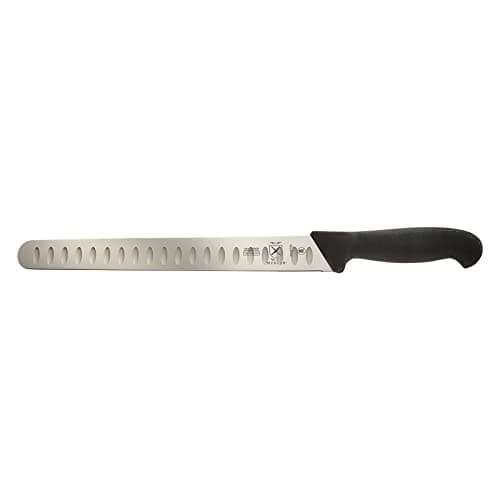
Roundup
Best Carving Knives
Six carving and slicing knives ranked with live prices — 8 to 12 inches, granton and plain-faced, with the blade-length math and the honest case for skipping the category entirely.
6 products · 6 with live prices
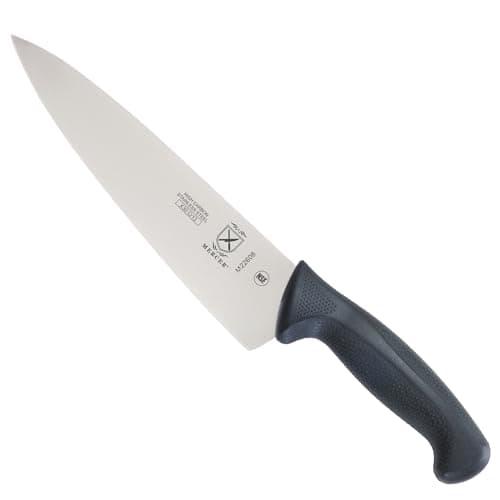
Roundup
Best Chef Knives for Culinary School
Four NSF-certified chef knives ranked for culinary school — grippy handles, soft steel you can resharpen on a stone, and replaceable prices.
4 products · 4 with live prices
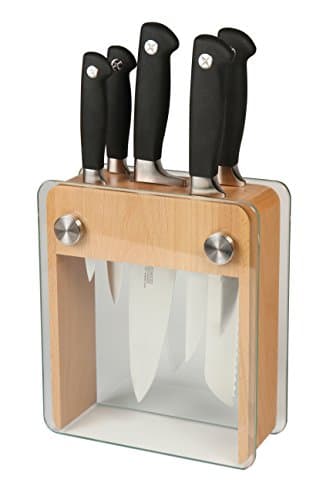
Roundup
Best Knife Sets Under $200
Five knife sets in the under-$200 tier ranked — forged six-piece, fifteen-piece blocks, and the three-knife kit that quietly wins.
5 products · 5 with live prices
Roundup
Best Dishwasher-Safe Kitchen Knives
Four knives that tolerate a dishwasher — moulded and sealed handles, soft stainless, NSF-certified — and why we would still wash them by hand.
4 products · 4 with live prices
Roundup
Best Chef Knives for Left-Handed Cooks
Four genuinely symmetrical chef knives ranked for left-handed fit — even double bevels, ambidextrous handles, and the designs to avoid.
4 products · 4 with live prices
Roundup
Best Knives for Cutting Vegetables
Four knives ranked for vegetable prep — a 2.5 mm nakiri, a granton santoku, a thin chef's knife and the value forged pick.
4 products · 4 with live prices
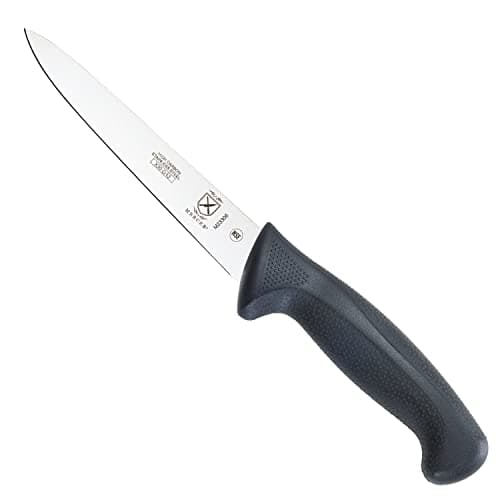
Roundup
Best Utility Knives
Six utility knives ranked for real value — a $14 Mercer, a wavy-edge Victorinox for tomatoes, a long serrated Mercer, a forged Henckels, and premium Shun and Wüsthof blades.
6 products · 6 with live prices
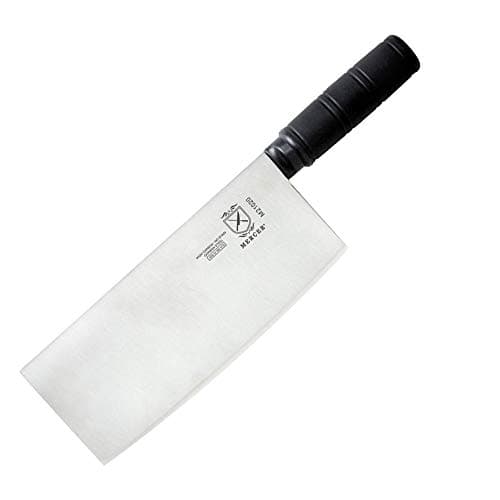
Roundup
Best Cleavers
Six cleavers ranked, split by what they are actually for: thin tall Chinese vegetable cleavers from Mercer, Dexter-Russell and Shun, and heavy forged bone cleavers from Henckels and Wüsthof.
6 products · 6 with live prices
Roundup
The Best Knives for Cutting Meat
Breaking down, boning and carving are three different blades. Five picks ranked in buying order, with live prices.
5 products · 5 with live prices

Roundup
The Best Knives for Cutting Fish
Filleting, skinning and portioning fish, with four picks ranked on flex and thinness rather than heft. Live prices.
4 products · 4 with live prices
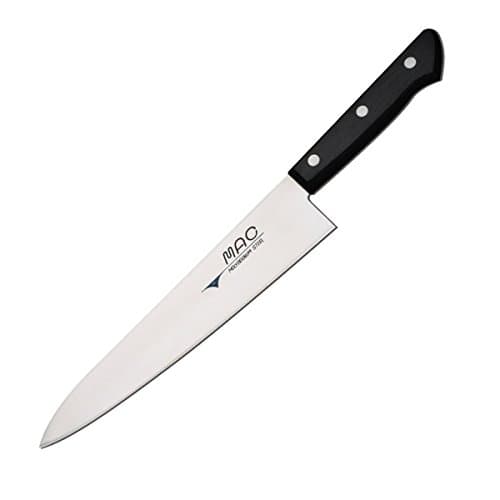
Roundup
The Best Kitchen Knives for Arthritis
Thin, light, keen blades with grippy handles — chosen to reduce the force and the squeeze a cut requires. Live prices.
4 products · 4 with live prices
Roundup
The Best Chef Knife Brands
Ten knife makers ranked on specs published, consistency, range and service — each represented by its flagship 8-inch chef's knife.
10 products · 10 with live prices
Roundup
Best Gifts for Home Cooks Under $50
Seven under-$50 gifts for a cook, explained for a gifter — the default chef's knife, a honing steel, a beginner stone, a paring knife and the fixes for a knife drawer.
7 products · 7 with live prices
Roundup
Best Gifts for Home Cooks Under $150
Seven under-$150 gifts explained for a gifter — the Mac all-rounder, the Tojiro VG-10 value knife, a guided sharpener, a Shun paring showpiece, and the smart set.
7 products · 7 with live prices
Roundup
Best Gifts for the Cook Who Has Everything
Seven splurge gifts for a cook who already owns the basics — Miyabi and Shun showpieces, the AngleSelect electric sharpener, a Mac nakiri, a countertop magnetic block, steak knives and the Wüsthof set.
7 products · 6 with live prices
Roundup
Best Gifts for Culinary Students and Line Cooks
Seven gifts for someone who cooks for a living or is training to — the 10-inch Victorinox, the culinary-school Mercer, a foodservice Dexter, a knife roll, edge guards, a boning knife and an offset bread knife.
7 products · 6 with live prices
Roundup
Black Friday & Cyber Monday Chef Knife & Sharpening Deals 2026
The evergreen deals hub: what historically discounts in knives and sharpening, what rarely does, buy-now vs wait per product class, and the top picks with live prices. Updated when November deals go live.
10 products · 9 with live prices