HUB 02
Sharpening
The whole system — stone, steel, strop — plus the grits and angles that actually matter. A great knife is only great when it's sharp.
We earn a commission when you buy through our Amazon links, at no extra cost to you. It never changes a ranking, and we say so when the cheaper knife is the better buy. How this works.
Start here — our top pick
Best whetstone
King KDS 1000/6000 Combination Whetstone
The whetstone that has taught more people to sharpen than any other. Cheap, forgiving, and it just works.
Here's the thing nobody selling knives wants to lead with: a $190 knife you never sharpen cuts worse within a month than a $45 knife you keep sharp. Sharpening is the single highest-leverage kitchen skill, and the gear to do it costs less than one good knife. This hub covers the whole system — how to hone, how to sharpen, and the three categories of tool that do it.
Honing vs sharpening — they are not the same thing
The most common and most expensive misunderstanding in the kitchen: honing (with a steel) realigns an edge that has rolled over microscopically; sharpening(with a stone) removes metal to grind a new edge. You hone often — every few uses — and sharpen rarely, every few months. A honing steel does not sharpen a dull knife, no matter how long you run it. Get this straight and half of "my knife won't get sharp" disappears; the full explanation is in sharpening vs honing — or, framed as the tools themselves, honing steel vs whetstone. New to it? Start with how to hone a knife, the fifteen-second habit that keeps an edge alive.
The three tools, and what each one is for
- A whetstoneis the one tool that can put a truly sharp edge on any knife, and it's the skill worth learning. A 1000/6000-grit combination stone covers the whole home job. Start with the best sharpening stones — and if you're choosing a type, compare a diamond plate vs a whetstone and a water stone vs an oil stone. Finish the edge by stropping it, then test how sharp it is.
- A honing steel maintains the edge between sharpenings. Cheap, fast, and the daily habit that keeps a knife feeling new — see the best honing steels (and why hard Japanese knives want a ceramic rod, not a steel one).
- A guided system or electric sharpenertrades the skill for consistency — a fixed angle you can't wobble. Good if you'll never learn a stone; see the best sharpening systems, including which one quietly eats your knife. If you already know you want a motor, the best electric knife sharpeners are ranked separately, on how little steel each one costs you. Weighing the two approaches head-to-head? Whetstone vs electric sharpener settles it. (Serrated bread knives are the exception to all of this — sharpen those with a tapered rod, not a stone.)
Grit and angle: the two numbers to know
Grit is how coarse the abrasive is. Lower numbers (220–400) repair damage and set a bevel fast; a middle grit (1000) sets a working edge; high grits (3000–8000) polish it. Most home cooks only ever need a 1000/6000 combination stone. Angle is how steeply the edge is ground: most Western kitchen knives want about 15–20° per side, harder Japanese knives closer to 10–15°. Lower angle = sharper but more fragile. The full breakdown, with a per-steel table, is in the knife sharpening angle guide.
Where to actually start
Buy a King 1000/6000 combination stone and a cheap honing steel, then spend twenty minutes with our step-by-step how to sharpen a chef's knife guide. That's the entire starter kit, and it will do more for your cooking than a knife upgrade twice the price. Once you can put an edge on a knife, you'll understand why we tell beginners to buy a cheap, soft-steel beginner knife first: it's the easiest thing in the world to learn to sharpen on. For the most forgiving first stone specifically, see the best sharpening stones for beginners. And if you're sharpening constantly, fix the cause first: why does my knife get dull so fast.
Everything in this hub
All sharpening
- Roundup
Roundup
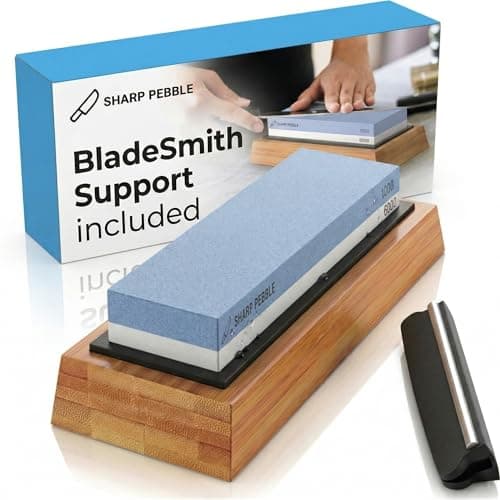
Best Sharpening Stones
Six whetstones ranked — water stones, diamond and ceramic — with grit, soak and maintenance notes.
6 products · 4 with live prices
Roundup
Best Combination Whetstones
Five dual-grit whetstones ranked — the 1000/6000 that does the whole home-cook job, a never-dishing diamond, a budget repair combo and a finishing stone.
5 products · 4 with live prices
Roundup
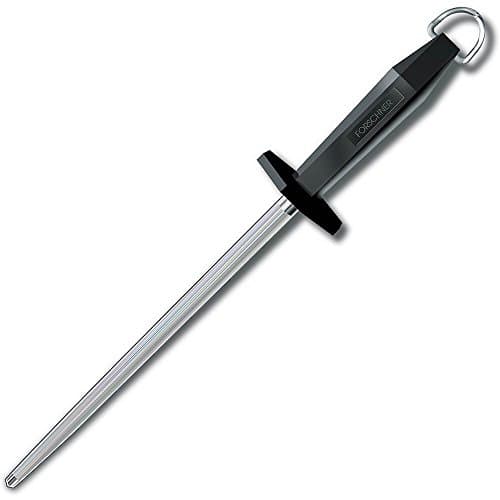
Best Honing Steels
Five honing rods ranked — steel and ceramic — and which one your knife's hardness actually needs.
5 products · 5 with live prices
Roundup
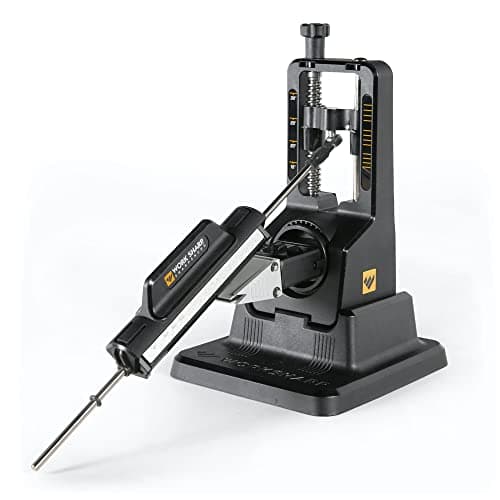
Best Sharpening Systems
Guided jigs, crossed-rod systems and electric sharpeners ranked — repeatable edges without freehand skill.
5 products · 5 with live prices
Roundup
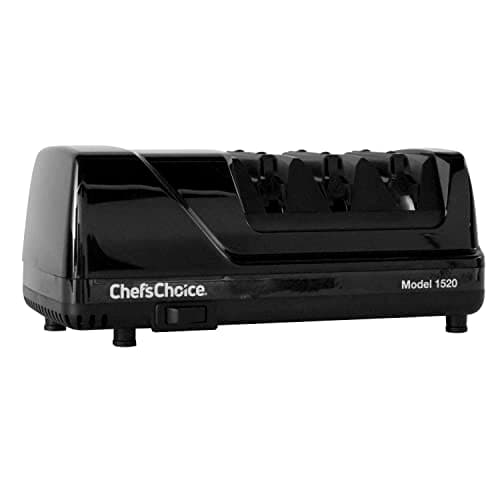
Best Electric Knife Sharpeners
Six electric knife sharpeners ranked with live prices — selectable 15°/20° diamond machines, the gentlest flexible-disc option, a belt grinder, and the honest cost of the whole category.
6 products · 6 with live prices
- How-to
How-to
How to Sharpen a Chef's Knife
Step-by-step whetstone sharpening: angle, burr, refine, deburr — the skill that beats any knife upgrade.
- How-to
How-to
How to Use a Whetstone
Whetstone fundamentals: soak, grit order, pressure and keeping the stone flat, step by step.
- Guide
Guide
Sharpening vs Honing
Honing realigns an edge; sharpening makes a new one. The difference that fixes 'my knife won't get sharp.'
- Guide
Guide
Knife Sharpening Angle
The right sharpening angle per steel type — Western vs Japanese — and how to hold it consistently.
- Guide
Guide
How Often Should You Sharpen a Knife?
Honing vs sharpening on their two different schedules, the tests that tell you an edge is dull, and a realistic home-kitchen cadence.
- Guide
Guide
Why Your Knife Won't Get Sharp
A troubleshooting checklist for an edge that won't come back — no burr, a wandering angle, a leftover wire edge, a glazed stone, starting too fine.
- Roundup
Roundup
Best Sharpening Stones for Beginners
Whetstones ranked for a first-timer: soft, forgiving, feedback-rich stones that teach the skill — a 1000/6000 combo to start.
5 products · 3 with live prices
- Guide
Guide
The Easiest Knives to Sharpen
What makes a knife easy or hard to sharpen — steel hardness, bevel, bolster and geometry — and the most forgiving knife to learn on.
- Comparison
Comparison
Honing Steel vs Whetstone
One realigns a rolled edge in seconds, the other grinds a new one on a stone — which tool does which job, and why you want both.
- How-to
How-to
How to Hone a Knife
The honing-steel motion step by step: angle, stroke, passes and frequency — the fast habit that keeps an edge aligned.
- Guide
Guide
Why Does My Knife Get Dull So Fast?
The real reasons an edge dies fast — hard boards, no honing, soft steel, the dishwasher, bad storage — and the fixes that make it last.
- Comparison
Comparison
Whetstone vs Electric Sharpener
Edge quality, metal removed, speed and skill compared — why a stone wins on edge and knife life, and when an electric is the right call.
- How-to
How-to
How to Sharpen a Serrated Knife
Sharpen serrations one scallop at a time with a tapered rod from the beveled side, deburr the flat back — or just replace a cheap one.
- Comparison
Comparison
Ceramic vs Steel Honing Rod
Steel rod for soft German edges, ceramic rod for hard Japanese blades — how to match the honing rod to your knife's hardness.
- Comparison
Comparison
Diamond Plate vs Whetstone
A diamond plate never dishes and cuts hard steel fast; a water stone gives the finest edge and best feedback — which to learn on and which lasts.
- Comparison
Comparison
Water Stone vs Oil Stone
Water stones cut faster and finish finer but dish; oil stones are durable and cheap but messy and slower — which suits kitchen knives.
- Guide
Guide
How to Tell If a Knife Is Sharp
Four simple tests — paper, tomato, thumbnail and arm-hair — to know when a knife needs honing or sharpening.
- Guide
Guide
How to Sharpen a Knife Without a Sharpener
Field fixes with no sharpener — a mug's unglazed base, sandpaper on a flat surface, or a smooth stone — plus their honest limits.
- How-to
How-to
How to Strop a Knife
What stropping does and how to do it — the edge-trailing motion on leather (or a belt) that removes the burr for a keener edge.
- How-to
How-to
How to Fix a Chipped Knife Edge
Grind the edge down below the chip on a coarse stone, then re-sharpen and refine — a full chip-repair walkthrough.
- How-to
How-to
How to Sharpen a Paring Knife
The same whetstone method as a chef's knife, scaled to a small blade — angle, grip and burr for a keen paring edge.
- Comparison
Comparison
Electric vs Manual Knife Sharpener
Electric vs manual knife sharpeners — speed and ease against control and edge life, and which suits your knives and habits.
- Comparison
Comparison
Guided vs Freehand Sharpening
Guided vs freehand sharpening — locked-angle consistency against a versatile skill — with the learning curve and which to start with.
- Guide
Guide
Sharpening Stone Grits Explained
What sharpening stone grit numbers mean — coarse to finishing — which grits a home cook actually needs, and why a 1000/6000 combo covers most kitchens.
- How-to
How-to
How to Sharpen a Boning Knife
The whetstone method adapted to a thin, narrow boning blade — angle, the curved belly and the pointed tip, step by step.
- How-to
How-to
How to Remove a Burr
Feel for the wire edge, then strip it with light alternating passes and a strop — the deburring step that makes a sharp edge last.
- How-to
How-to
How to Flatten a Whetstone
Mark the stone with a pencil grid, then lap it on a flattening plate or wet-dry sandpaper until the marks are gone — a flat stone is the one thing freehand sharpening depends on.
- How-to
How-to
How to Clean a Whetstone
Rinse off the gray slurry, scrub the face clean, dry it fully, and store a soaking stone so it can breathe — the care that keeps a stone cutting for years.
- Comparison
Comparison
Pull-Through Sharpener vs Whetstone
The fast, foolproof pull-through against the slower, gentler whetstone — which sharpener suits your knives, your patience and your budget.
- How-to
How-to
How to Sharpen a Santoku Knife
The correct angle for a double-bevel Japanese blade, working its flat edge on a whetstone, and finishing cleanly.
- How-to
How-to
How to Use a Pull-Through Sharpener
Coarse vs fine slots, light even pulls, how many passes, and the knives you should never put through one.
- Comparison
Comparison
Soaking vs Splash-and-Go Whetstones
How each water stone is prepared, cutting speed, dishing, maintenance and mess — and which suits you.
- Guide
Guide
Are Electric Knife Sharpeners Bad?
What electric sharpeners do to the edge and the metal, when they're a fine choice, and what to keep out of one.
- Roundup
Roundup
Best Whetstones Under $50
Four whetstones in the under-$50 tier ranked — two classic King combination stones, the all-in-one Sharp Pebble, and a toe-in-the-water 400/1000.
4 products · 2 with live prices
Roundup
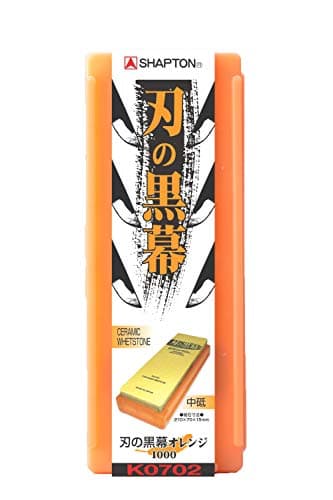
Best Sharpening Stones for Japanese Knives
Four whetstones ranked for hard Japanese steel — a hard splash-and-go ceramic, a 1000/6000 finisher, a 3000/8000 polishing pair and a diamond plate for chips.
4 products · 3 with live prices
- Guide
Guide
Is Professional Knife Sharpening Worth It?
When to pay a professional sharpener and when to buy a stone instead — what a service fixes, what it cannot, and how the costs compare over a year.
3 products · 2 with live prices
Guide
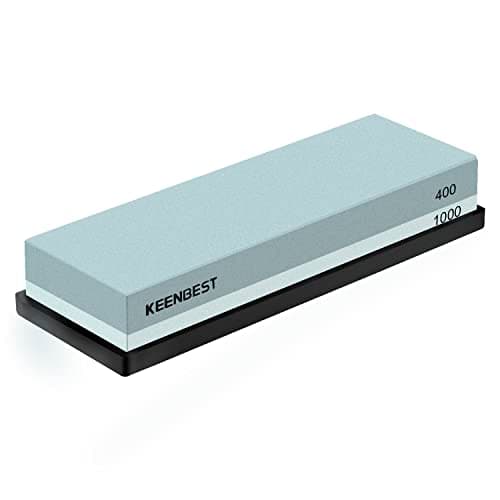
Are Expensive Whetstones Worth It?
What extra money buys in a whetstone — flatness, no soaking, durability — and the three cases where spending more is genuinely the right call.
3 products · 2 with live prices
Roundup
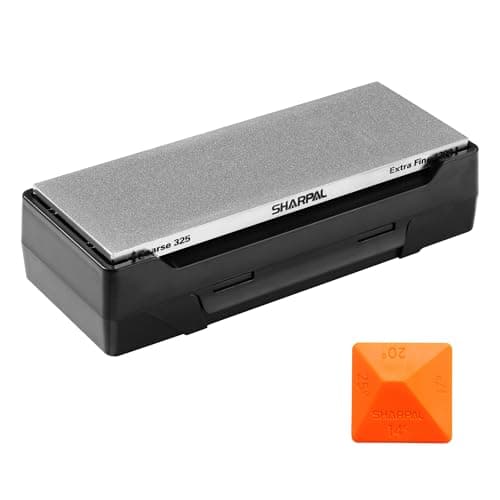
Best Diamond Sharpening Stones
Six diamond plates ranked — the Sharpal 162N that suits most kitchens, the cheap DMT DuoSharp, a beginner plate with an angle guide, DMT's repair plate, a three-grit kit, and the Atoma flattening standard.
6 products · 6 with live prices
Roundup
Best Sharpening Stones for German Knives
Wüsthof, Zwilling, Henckels, Victorinox and Mercer steel wants coarse-to-medium grit and speed. Four stones ranked, with live prices.
4 products · 3 with live prices
Guide
How Many Times Can a Knife Be Sharpened?
The honest arithmetic on how much steel a sharpening removes, why it is not the limiting factor, and what actually ends a knife's life.
3 products · 3 with live prices
Guide
How Long Does a Whetstone Last?
Why a whetstone almost never wears out, what dishing actually is, and the three stones that ask least of you over a decade.
4 products · 3 with live prices
Roundup
Best Knife Sharpening Kits
Six sharpening kits ranked on completeness — grit range, holder, angle guide, flattener — not on abrasive performance alone.
6 products · 6 with live prices
- Roundup
Roundup
Best Knife Sharpening Gifts
Seven sharpening gifts matched to the recipient — the learner, the tinkerer, the person who wants results without a lesson, and the one who will never touch a stone.
7 products · 6 with live prices