HUB 03
Guides
Spec literacy is the whole game. Learn what the numbers mean once, and every buying decision after gets easy.
We earn a commission when you buy through our Amazon links, at no extra cost to you. It never changes a ranking, and we say so when the cheaper knife is the better buy. How this works.
Start here — our top pick
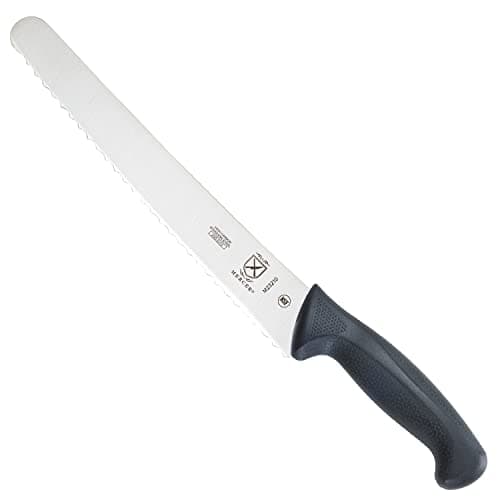
Top pick
Mercer Culinary Millennia 10" Wide Wavy Edge Bread Knife
The honest best bread knife for most kitchens: a long, sharp wavy edge for the price of lunch. Serrations barely resharpen, so spending more buys feel, not better bread.
Every roundup on this site rests on the same handful of concepts. Learn them once — properly — and you'll never again be at the mercy of a product description. These are the spec-literacy pillars: the "why" behind every pick we make.
Start with how to choose
If you read one page here, make it how to choose a chef's knife. It ties the other guides together: length, weight and balance (comfort), steel and hardness (edge), geometry (how it cuts), and budget (what actually changes at each price). It ends with a plain recommendation for most people.
The two guides that decode the spec sheet
- Knife steel & HRC— what X50CrMoV15, VG-10, AUS-10 and "high-carbon German stainless" actually mean, and why hardness (the HRC number) is the single most useful spec on the box. Harder holds an edge longer and chips more easily; softer is tougher and dulls faster. That one trade-off explains most of the market. If you're specifically weighing steel chemistry, our carbon vs stainless steel guide clears up the "high-carbon stainless" label that trips up most buyers.
- Blade geometry— grind, bevel angle and edge thickness. This is why two knives of the same steel cut completely differently, and it's the spec manufacturers talk about least because it's the hardest to fake.
Two more specs get over-weighted by buyers: forged vs stamped and whether a knife is full tang — both change a knife's feel and durability, but neither decides how it cuts.
German or Japanese — the pillar buyers actually search
The Japanese vs German knives guide takes the abstract steel-and-geometry ideas and turns them into a concrete buying decision, because that's the fork almost every shopper hits first. It is not a "Japanese wins" page — it maps each style to a type of cook.
Then keep the knife alive
A knife is a consumable if you treat it badly and an heirloom if you don't. Our knife care and storage guide covers the things that quietly destroy edges — the dishwasher, glass and stone cutting boards, the utensil drawer — and the cheap habits (a wood or poly board, hand-washing, a magnetic strip or in-drawer tray, a weekly hone) that keep an edge for months. It pairs directly with the sharpening hub: care slows an edge's decline, sharpening reverses it. And if a spot of rust does appear, how to remove rust from a knife takes it off safely.
How to use these guides
You don't need to read them in order or memorize anything. When a roundup says a knife is "HRC 61, so it holds an edge but wants careful use," and you want to know why, the relevant guide is one click away. That's the point of spec literacy: the guides do the explaining so the roundupscan just make the call. And once you've chosen a knife, the skills matter too — start with the cut you'll make most, how to cut an onion (and a tomato or garlic). Curious why a good Japanese blade feels so keen? Why are Japanese knives so sharp explains it.
Everything in this hub
All guides
- Guide
Guide
How to Choose a Chef's Knife
The buyer pillar: length, weight, steel, hardness and budget — and a plain pick for most people.
- Guide
Guide
Knife Steel & HRC Hardness
What X50CrMoV15, VG-10 and the HRC number actually mean for edge retention and toughness.
- Guide
Guide
Blade Geometry
Grind, bevel angle and edge thickness — the geometry that decides how a blade actually cuts.
- Guide
Guide
Japanese vs German Knives
The big buyer question, mapped to a type of cook — steel, weight and edge, side by side.
- Guide
Guide
Knife Care & Storage
Boards, washing and storage that protect an edge — and the everyday habits that quietly destroy one.
- How-to
How-to
How to Hold a Chef's Knife
The pinch grip, the guiding-hand claw and the board setup — the grip fundamentals that make any knife safer and more precise.
- Guide
Guide
Chef Knife Sizes Explained
6, 8 and 10-inch blades — plus 7-inch santoku and 210/240 mm gyuto — matched to your hands, board and cooking.
- Guide
Guide
Carbon vs Stainless Steel Knives
The real trade-off between carbon and stainless: edge, sharpening ease, rust and upkeep — and why 'high-carbon stainless' is a stainless steel, not a carbon one.
- How-to
How-to
How to Remove Rust from a Knife
Take rust off a blade safely — baking-soda paste, then fine abrasives for stubborn spots — tell it from a patina, and prevent it coming back.
- Guide
Guide
Forged vs Stamped Knives
How forged and stamped knives are made, what forging really buys (heft and feel, not sharpness), and why stamped often out-cuts forged.
- How-to
How-to
How to Cut an Onion
Dice an onion safely and evenly, step by step — the grip, where to cut, and why a sharp knife means fewer tears.
- Guide
Guide
What Is a Full Tang Knife?
What a knife's tang is, how to spot a full tang, and whether it actually matters for durability and balance.
- Guide
Guide
Why Are Japanese Knives So Sharp?
The three real reasons Japanese knives cut so keenly — harder steel, thinner geometry, a more acute edge — and the chip-prone trade-off.
- How-to
How-to
How to Cut a Tomato
Slice a tomato cleanly instead of crushing it — why a sharp knife is the secret, plus rounds, wedges and a dice.
- How-to
How-to
How to Cut Garlic
Peel garlic fast with the smash trick, then slice or mince it finely with a chef's knife — no press needed.
- Guide
Guide
Knife Safety Basics
The habits that prevent kitchen cuts — the claw grip, a stable board, and why a sharp knife is the safe one.
- Guide
Guide
How to Store Kitchen Knives
Knife blocks, magnetic strips, in-drawer trays and edge guards compared — how to store knives without dulling them.
- Guide
Guide
Wood vs Plastic Cutting Board
Wood vs plastic cutting boards — which is kinder to your edge, which is more hygienic, and what never to cut on.
- Guide
Guide
What Is a Knife Bolster?
The knife bolster explained — full, half and bolsterless, and how each affects balance, safety and sharpening.
- Guide
Guide
What Is a Santoku Knife?
The santoku explained — the flat-profiled Japanese all-rounder, how it differs from a chef's knife, and who it suits.
- Guide
Guide
What Is a Paring Knife Used For?
The paring knife explained — the small in-hand blade for peeling, hulling, trimming and detail work, and why it's the second knife to own.
- Guide
Guide
What Is a Boning Knife Used For?
The boning knife explained — the narrow, pointed blade for separating meat and poultry from bone, stiff vs flexible, and who needs one.
- Guide
Guide
Damascus Steel Knives Explained
What Damascus steel really is on modern knives — layered cladding around a hard core, mostly for looks — and what actually decides how it cuts.
- Guide
Guide
Single Bevel vs Double Bevel
Single bevel vs double bevel explained — what the grind means for cutting and sharpening, and why almost everyone should buy double-bevel.
- Guide
Guide
Magnetic Knife Strip vs Block
Magnetic strip vs knife block — the real trade-offs in edge protection, space and hygiene, and how to choose the right knife storage.
- Guide
Guide
Can You Put Knives in the Dishwasher?
Why you should never put good knives in the dishwasher — heat, harsh detergent and rack knocks dull edges, wreck handles and cause rust — and the ten-second alternative.
- How-to
How-to
How to Clean a Cutting Board
The safe way to clean and care for a cutting board — everyday washing, disinfecting after raw meat, removing stains, and oiling wood — for both wood and plastic.
- How-to
How-to
How to Cut a Bell Pepper
The clean, fast way to cut a bell pepper — remove the core and seeds in one move, get flat panels, then strips or dice with a chef's knife.
- Guide
Guide
What Is a Bread Knife Used For?
A serrated knife that saws through crust without crushing the crumb — and the best blade for ripe tomatoes, cakes and melons too.
- Guide
Guide
What Is a Utility Knife Used For?
The mid-size blade between chef's and paring — good for sandwiches, small produce and trimming, but often skippable.
- Guide
Guide
What Is a Carving Knife?
A long, thin, narrow blade for slicing cooked roasts, poultry and ham into clean, even slices — a specialist, not an everyday knife.
- Guide
Guide
What Is a Cleaver?
The word 'cleaver' means two very different knives: a heavy Western bone-chopper and a thin Chinese vegetable all-rounder — never use the thin one on bone.
- Guide
Guide
Knife Handle Materials Explained
POM, Pakkawood, Micarta, Fibrox, Santoprene, stainless and wood handles compared for grip, durability and hygiene.
- Guide
Guide
Anatomy of a Chef's Knife
Every part of a chef's knife — tip, edge, heel, spine, belly, bolster, tang, handle — named and explained.
- Guide
Guide
Knife Edge Types Explained
Plain, serrated and granton (dimpled) edges, plus single vs double bevel — what each edge does and which knife needs it.
- How-to
How-to
How to Clean a Kitchen Knife
Hand-wash immediately, dry completely, never dishwasher — the simple routine that keeps an edge sharp and rust-free.
- How-to
How-to
How to Oil a Cutting Board
Use food-safe mineral oil, apply a generous coat, let it soak, wipe off the excess — and never use cooking oil, which goes rancid.
- How-to
How-to
How to Season a Carbon Steel Knife
Force a protective patina on a carbon blade with the vinegar or potato method, then dry and oil it after every use.
- How-to
How-to
How to Cut a Butternut Squash
Take the ends off for a stable base, peel, halve, scoop the seeds, then cube — safely, with a sharp chef's knife.
- How-to
How-to
How to Cut a Mango
Slice the two cheeks off around the flat pit, score a grid, and push inside-out to pop out neat cubes — the hedgehog method.
- Guide
Guide
What Is a Steak Knife?
The table knife for cutting cooked meat — serrated or straight-edge — and the trade-off that decides which set to buy.
- Guide
Guide
What Is a Fillet Knife Used For?
The flexible fish specialist — what it does, how its flex differs from a boning knife, and what size to buy.
- Guide
Guide
Knife Hardness Explained (HRC)
What the HRC hardness number measures, the edge-retention-vs-toughness trade-off it sets, and typical ranges for German and Japanese knives.
- Guide
Guide
Knife Skills for Beginners
The four fundamentals — sharp knife, proper grip, the claw, a stable board — plus the basic cuts to practice first.
- How-to
How-to
How to Cut an Avocado
Halve around the pit, twist apart, remove the pit safely, then score and scoop — including the pit-removal method that avoids 'avocado hand'.
- How-to
How-to
How to Cut a Pineapple
Top and base off, stand it up and cut the skin down the sides, remove the eyes, then quarter and core into spears or chunks.
- How-to
How-to
How to Cut a Watermelon
Cut a flat base so it can't roll, halve it, then grid the flesh into sticks or cubes — or cut classic wedges. The mess-free method.
- How-to
How-to
How to Julienne Vegetables
Square off the vegetable, cut thin planks, stack them, and slice into matchsticks — the classic julienne, one carrot at a time.
- How-to
How-to
How to Cut Up a Whole Chicken
Remove the legs and split thigh from drumstick, take off the wings, and halve the breast — eight pieces, plus a carcass for stock.
- How-to
How-to
How to Carve a Turkey
Rest the bird, remove the legs and wings, take each breast off whole, then slice across the grain — neat slices instead of ragged ones.
- How-to
How-to
How to Slice Bread
Use a serrated bread knife, saw with long light strokes, and let the teeth do the work — clean slices from crusty loaves to soft sandwich bread.
- How-to
How-to
How to Prevent Knife Rust
Dry knives immediately, never leave them wet or in the sink, skip the dishwasher, and oil carbon steel — the habits that stop rust before it starts.
- How-to
How-to
How to Store Knives in a Drawer
Use an in-drawer knife tray, blade guards, or a magnetic in-drawer dock — anything but loose blades knocking together.
- How-to
How-to
How to Get Smells Out of a Cutting Board
Scrub with coarse salt and lemon, a baking-soda paste, or a vinegar wipe to lift garlic, onion and fish smells from wood and plastic boards.
- Guide
Guide
What Is a Nakiri Knife?
The flat, straight-edged Japanese vegetable knife — what it's for, how it differs from a santoku, and whether you need one.
- Guide
Guide
What Is a Gyuto?
The Japanese chef's knife — how it differs from a Western chef's knife and a santoku, and who it suits.
- Guide
Guide
What Is a Petty Knife?
The Japanese utility knife that bridges a paring knife and a chef's knife — sizes, uses, and whether you need one.
- Guide
Guide
How Many Kitchen Knives Do You Actually Need?
The honest answer is three: a chef's knife, a paring knife and a serrated knife. What each does, and the extras worth adding.
- Guide
Guide
Knife Set vs Open Stock
Buy a matched block set or build a kit from individual knives? The real trade-offs on price, quality and use.
- Guide
Guide
What Is a Granton Edge?
The scalloped dimples along a blade (kullenschliff) — what they do, whether they work, and if you need them.
- How-to
How-to
How to Cut a Cabbage
Halve it, remove the core, then shred, wedge or dice — the safe, clean method for slaw, sauté and roasting.
Guide
Do You Need a Bread Knife?
Whether a serrated bread knife earns its drawer space, what it does that a sharp chef's knife cannot, and what to buy if the answer is yes.
3 products · 3 with live prices
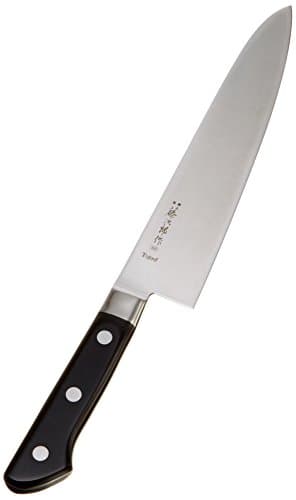
Guide
Are Japanese Knives Worth It?
What harder, thinner steel actually buys, who it punishes, and the cheapest honest way in — three picks with live prices.
3 products · 3 with live prices
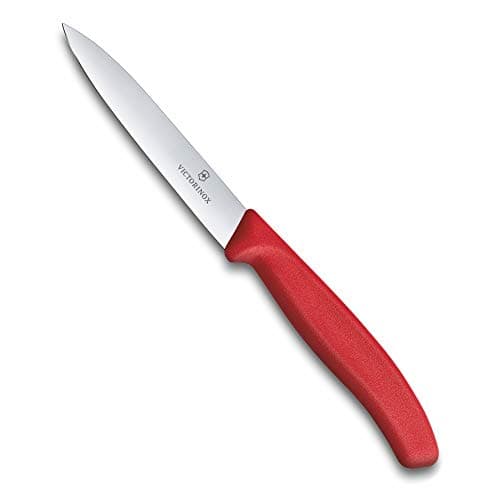
Guide
Do You Need a Paring Knife?
The three in-hand jobs a chef's knife cannot do, why it is the second knife to buy, and three picks with live prices.
3 products · 3 with live prices

Guide
Is a Nakiri Worth It?
What a tall, flat, thin blade does better than a chef's knife, who should skip it, and three picks with live prices.
3 products · 3 with live prices
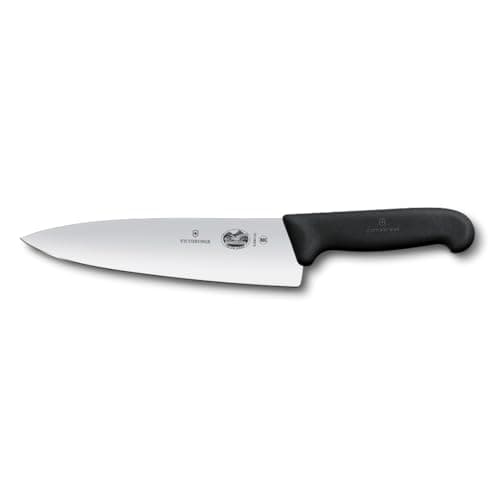
Guide
How to Tell if a Knife Is Good Quality
The checks that actually separate a good knife from a bad one, the claims that mean nothing, and three knives that pass at three prices.
3 products · 3 with live prices