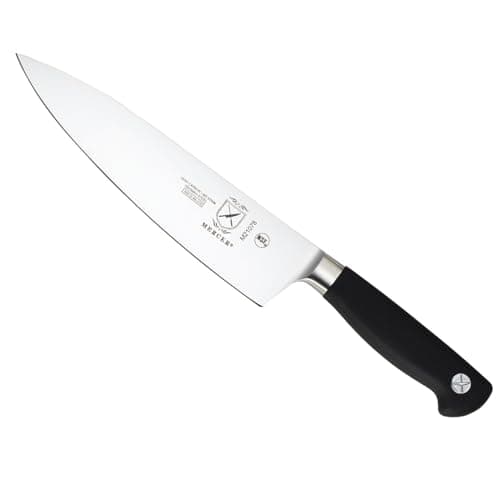
A forged knife is made from a single billet of steel hammered into shape, which gives it the heft, balance and full bolster that define the classic German workhorse. If that planted, substantial feel is what you want, these five are the forged blades worth buying — ranked by our overall score, with live prices. But first, the honest part: forging buys feel, not a better cut.
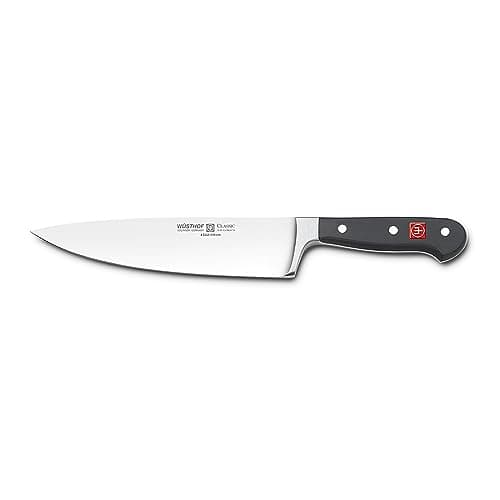
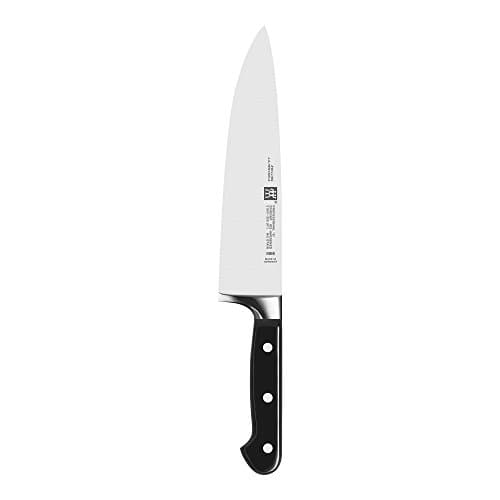
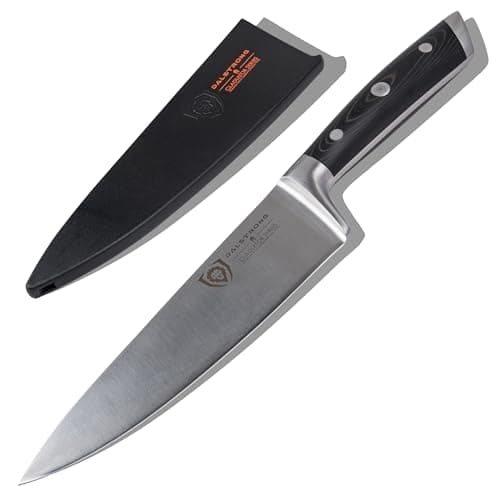
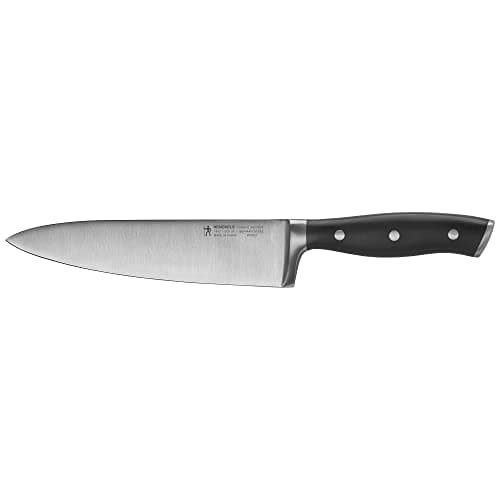
The top pick is the Mercer Genesis — genuinely forged at close to a stamped-knife price, which is why our value-weighted score puts it at the top of a field that includes knives costing far more. The Wüsthof Classic and Zwilling Pro are the benchmark forged German blades and the ones most cooks picture; the Dalstrong and Henckels round out the budget-to-mid forged range. Every one is a lifetime tool if you hone it.
What forging actually does
Forging heats a single bar of steel and hammers it into a blade, producing a knife with a thick spine, a full tang and — usually — a bolster (the metal collar between blade and handle). The result is a heavier, more substantial knife with a different balance than a stamped blade cut from a sheet. What forging does not do is make a knife sharper or better at cutting — that is decided by steel and hardness and geometry, not by how the blank was made. Plenty of thin stamped knives out-cut heavier forged ones. Buy forged for the heft and the feel, not because you have been told it cuts better.
The bolster question — and why it matters for sharpening
The one place forging genuinely affects long-term ownership is the bolster. A full bolster (Wüsthof Classic, Henckels Forged Accent) runs all the way to the heel — it feels solid and protects your knuckles, but over years of sharpening it eventually blocks the heel of the edge from reaching the stone, so part of the edge stops getting sharpened. A short or sloped bolster (Mercer Genesis, Zwilling Pro) leaves the whole edge sharpenable for the life of the knife. If you sharpen your own knives, that is a real, practical reason to prefer a short bolster — and part of why the Mercer and Zwilling rate so well here.
The steel ceiling on every forged German knife
Almost all forged German knives use the same soft X50CrMoV15-class stainless around HRC 56–58. That steel is tough and forgiving — it rolls rather than chips, shrugs off abuse, and is easy to sharpen — but it is only average on edge retention. So a forged German knife wants honing often and sharpening on a schedule. If you want an edge that lasts for weeks between sharpenings, that is a hard Japanese blade, not a forged German one — a genuinely different trade, mapped in Japanese vs German knives.
Which forged knife for which cook
The Mercer Genesis is the value pick — forged, short-bolstered, and cheap enough that it wins our score outright. The Wüsthof Classic is the reference German workhorse, the heaviest and most indestructible, ideal if you want the archetype and will buy it on sale. The Zwilling Pro is its equal with a sloped bolster you can sharpen past — buy whichever handle your hand prefers, a decision we settle in Wüsthof vs Zwilling. The Dalstrong Gladiator is a competent forged blade under heavy marketing — good, not magical. The Henckels Forged Accentis Zwilling's value brand: real forged German build for less, with a full bolster.
Forged or stamped — how to actually decide
Pick up both if you can. Forged feels heavier and more planted; stamped feels lighter and quicker. If you like the knife to feel substantial and do the work, forged. If you like a nimble blade you steer precisely, a stamped knife cuts every bit as well for less. Then, whichever you buy, budget a stone — because the edge, not the forging, is what makes a knife cut.