Skip to content
Bevel & Bone

HUB 02 · Sharpening

Best Sharpening Stones for Beginners

Your first stone should teach you, not fight you. Five whetstones ranked for how forgiving they are to learn on — soft, cheap, and giving lots of feedback.

By Stephen V.Updated How we choose
#ad

We earn a commission when you buy through our Amazon links, at no extra cost to you. It never changes a ranking, and we say so when the cheaper knife is the better buy. How this works.

Learning to sharpen on a stone is the highest-leverage skill in the kitchen, and the stone you learn on decides how quickly it clicks. A beginner's stone should be soft and forgiving (so a slightly wobbly angle still works), feedback-rich (so you can feel the edge bite), and cheap enough that you won't be precious about wearing it in. These five are ranked with live prices for exactly that — learning — not for the last few percent of performance a pro chases.

The short answer for almost everyone: a 1000/6000 combination water stone is the whole beginner kit — 1000 grit to set a working edge, 6000 to refine it. Our top pick, the King KW65, is that combo on a stable rubber base at a takeout-dinner price. Then read how to use a whetstone and practice on a cheap beginner knife before you ever touch a knife you care about.

The short answer

Quick picks

#ad · Live prices from the Amazon Product API, as of Jul 28, 2026. Where we have no verified live price we show none — we'd rather leave a gap than print a number that has rotted.

By the numbers

The specs, side by side

Every figure below is the manufacturer's published specification. Where a maker doesn't publish a value, the cell reads "—" rather than a number we made up.

Knife / ToolTypeGritsSizeBaseLubricant
King KW65 1000/6000 Whetstone with BaseWater stone (combination)1000 / 6000~210 × 66 mmRubber base includedWater (soak ~5–10 min)
King KDS 1000/6000 Combination WhetstoneWater stone (combination)1000 (repair) / 6000 (finish)~185 × 63 mmPlastic holder includedWater (soak ~5–10 min)
Two-Sided 400/1000 Grit Sharpening StoneWater stone (combination)400 (repair) / 1000 (edge)~180 × 60 mmNon-slip base + angle guideWater
Shapton Kuromaku 1000-Grit Ceramic WhetstoneCeramic (magnesia-bonded)1000~210 × 70 mmStorage case doubles as a standWater (splash, no soak)
Sharpal 162N Dual-Grit Diamond Sharpening StoneDiamond plate (dual-sided)325 (coarse) / 1200 (fine)8 × 3 inNon-slip rubber frameWater or dry

In detail

The picks, in full

01
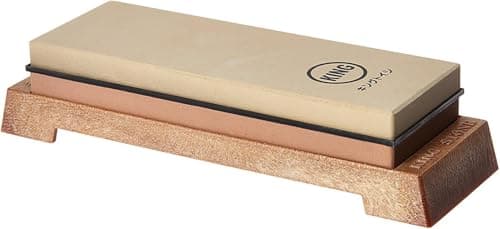
King King KW65 1000/6000 Whetstone with Base

A steadier version of the classic

King KW65 1000/6000 Whetstone with Base

Water stone1000 / 6000ComboRubber baseSoak
8.0/10

The bigger, slightly harder sibling of the KDS, with a proper rubber base. A small upgrade for a small premium.

Cutting speed
7
Feedback
9
Durability
6
Beginner-friendly
9
Value
9

Pros

  • Larger surface than the KDS makes long chef's knives easier to sharpen in full strokes
  • The rubber base holds the stone rock-steady on the counter
  • Same forgiving King feel that makes it a great teacher

Cons

  • Still a soft soaker that dishes and needs flattening
  • Marginally pricier than the KDS for a marginal upgrade

Don't buy this if…

the smaller KDS is cheaper and in stock. These are close cousins; buy the KW65 for the bigger face and better base, the KDS to spend the least.

$26.87View on Amazon

$31.2014% off

Price as of Jul 28, 2026. Prices change — Amazon's is the one that counts.

#ad · we may earn a commission from this link to King KW65 1000/6000 Whetstone with Base

02
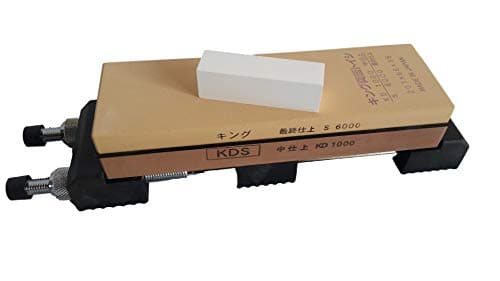
King King KDS 1000/6000 Combination Whetstone

The best first whetstone

King KDS 1000/6000 Combination Whetstone

Water stone1000 / 6000ComboSoakPlastic base
8.4/10

The whetstone that has taught more people to sharpen than any other. Cheap, forgiving, and it just works.

Cutting speed
7
Feedback
9
Durability
6
Beginner-friendly
10
Value
10

Pros

  • The classic learn-to-sharpen stone: soft, fast-cutting, and endlessly forgiving of a wobbly angle
  • 1000 and 6000 grit covers the whole home-cook job — set an edge, then polish it
  • Cheap enough that you won't be precious about wearing it in

Cons

  • Soft binder dishes (hollows out) quickly — you'll need to flatten it regularly
  • Requires a proper soak before use, so it's not grab-and-go
  • Wears faster than a hard ceramic or diamond stone

Don't buy this if…

you want a splash-and-go stone you never have to soak or flatten. The Shapton or a diamond plate is lower-maintenance — you just pay more for it.

Check price on Amazon →

No buyable offer at the last price check (Jul 28, 2026). We show nothing rather than a stale number.

#ad · we may earn a commission from this link to King KDS 1000/6000 Combination Whetstone

03
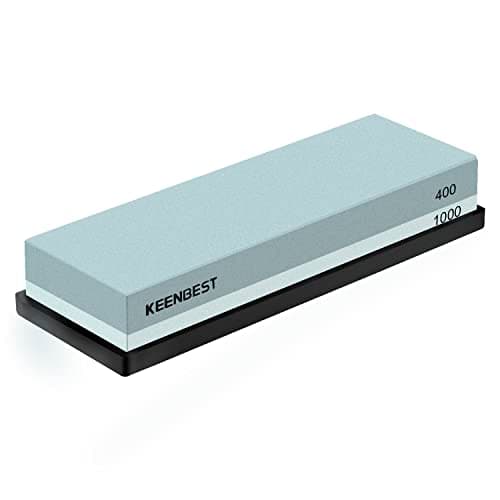
KEENBEST Two-Sided 400/1000 Grit Sharpening Stone

Trying stone sharpening for pennies

Two-Sided 400/1000 Grit Sharpening Stone

Water stone400 / 1000ComboRubber baseSoak
7.0/10

The cheapest way to find out whether you enjoy stone sharpening before you spend real money.

Cutting speed
6
Feedback
7
Durability
5
Beginner-friendly
8
Value
9

Pros

  • Costs about the same as a takeout lunch — a genuinely risk-free way to try sharpening
  • 400/1000 is the right pair to repair a dull edge and set a working one
  • Usually ships with an angle guide, which helps a first-timer

Cons

  • Quality varies unit to unit; these are generic stones
  • No fine polishing grit — a working edge, not a refined one
  • Wears quickly and needs flattening like any soft stone

Don't buy this if…

you already know you're committed to sharpening. Spend the extra on a King or Shapton — this is a toe-in-the-water stone, not a keeper.

$9.99View on Amazon

Price as of Jul 28, 2026. Prices change — Amazon's is the one that counts.

#ad · we may earn a commission from this link to Two-Sided 400/1000 Grit Sharpening Stone

04
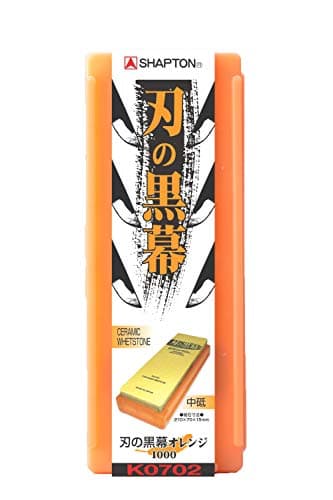
Shapton Shapton Kuromaku 1000-Grit Ceramic Whetstone

Splash-and-go with no soaking

Shapton Kuromaku 1000-Grit Ceramic Whetstone

Ceramic1000Splash-and-goHard-wearingCase included
8.0/10

A hard ceramic splash-and-go stone. Faster, harder-wearing and cleaner to use than a soft soaker.

Cutting speed
9
Feedback
8
Durability
9
Beginner-friendly
7
Value
7

Pros

  • No soaking — a splash of water and it's ready, which removes the biggest barrier to sharpening often
  • Hard binder stays flatter far longer than a soft King, so less flattening
  • Cuts quickly and cleanly on both German and Japanese steels

Cons

  • Single grit — you'll want a finishing stone or a strop to go with it
  • Costs several times a King combination stone
  • Harder stones give less of the tactile 'feedback' beginners learn from

Don't buy this if…

you're on your very first stone and a tight budget. The King combination teaches the skill for less; graduate to a Shapton once you know you'll keep sharpening.

$39.90View on Amazon

Price as of Jul 28, 2026. Prices change — Amazon's is the one that counts.

#ad · we may earn a commission from this link to Shapton Kuromaku 1000-Grit Ceramic Whetstone

05
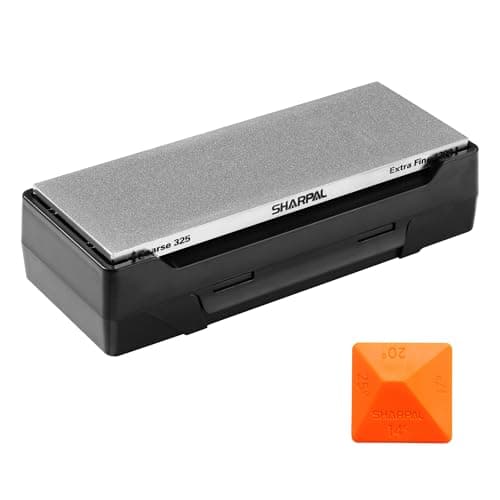
Sharpal Sharpal 162N Dual-Grit Diamond Sharpening Stone

Low-maintenance and fast

Sharpal 162N Dual-Grit Diamond Sharpening Stone

Diamond plate325 / 1200Dual gritNo soakNever dishes
8.4/10

A diamond plate that never dishes, never needs flattening, and doubles as the tool that flattens your water stones.

Cutting speed
9
Feedback
6
Durability
10
Beginner-friendly
8
Value
9

Pros

  • Diamond stays dead flat forever — no dishing, no flattening, no soaking
  • Fast on hard modern steels that wear a water stone down quickly
  • Also flattens your water stones, so it earns its place even if you sharpen on softer stones

Cons

  • Diamond gives a toothier, less polished edge than a fine water stone
  • Coarse/fine only — no true polishing grit for a refined finish
  • Diamond plates lose a little aggression as they break in

Don't buy this if…

you want a mirror-polished, hair-splitting finish. Diamond tops out toothy; pair it with a 6000-grit water stone or a strop if you want a truly refined edge.

$62.99View on Amazon

$69.9910% off

Price as of Jul 28, 2026. Prices change — Amazon's is the one that counts.

#ad · we may earn a commission from this link to Sharpal 162N Dual-Grit Diamond Sharpening Stone

How this list is ranked

This list is ranked for beginner fitness, not raw performance score — so the order weights forgiveness, feedback, a steady base, a live in-stock price, and low cost over the fastest cutting or the hardest-wearing binder. That's why a soft King combo leads a higher-scoring diamond plate here: the diamond is the better stone once you know what you're doing, but it's not the better teacher. If you want the field ranked on outright performance instead, see the main best sharpening stones roundup.

The one number you need: grit

Grit is how coarse the abrasive is. Low numbers (220–400) repair chips and reset a badly dull edge fast; a middle grit (1000) sets a working edge; high grits (3000–8000) polish it. For a beginner, a 1000/6000 combination stone is the entire answer— you do not need a five-stone progression, and buying one is the fastest way to get overwhelmed and give up. The one exception: if a knife is truly blunt or chipped, you'll want a coarse stone too, which is why our won't-get-sharp guide starts people around 220–400 grit.

Soft water stone, or splash-and-go?

  • Soft water stones (King):the classic teacher. They cut with lots of tactile feedback and are endlessly forgiving of a wobbly angle — but they need a soak before use and dish (hollow out) quickly, so you'll flatten them regularly.
  • Hard ceramic stones (Shapton): splash-and-go, no soaking, and they stay flatter far longer. The trade is a little less of the tactile feedback beginners learn from, at a higher price.
  • Diamond plates (Sharpal): never dish, never need flattening, fast on hard modern steels, and they double as the tool that flattens your water stones. The finish is toothier and the feedback is firmer — a great low-maintenance stone, but not the most forgiving first one.

Where to start

Buy the King combo, watch our how to use a whetstone and how to sharpen a chef's knife guides, and practice on a knife you don't mind marking up — the easiest blade to learn on is a soft-steel Victorinox. Between sharpenings, a honing steel keeps the edge aligned so you sharpen less often. And if you're still deciding whether a stone is even the right tool for you, the guided systems roundup covers the trade of skill for consistency.

How we picked

We do not run a test kitchen

We compiled each product's published specifications — steel, hardness, edge geometry, weight — normalized them into the matrix above, and scored each one against a published rubric. The scores are judgments from those specs and the value math — they are notmeasurements we took, because we do not have a test kitchen and we're not going to pretend we do. Units we claim to have tested: 0.

Questions

Frequently asked

What is the best sharpening stone for a beginner?

A 1000/6000 combination water stone — 1000 grit to sharpen, 6000 to refine. It's soft, forgiving, gives lots of feedback, and covers the whole home-cook job. Our top beginner pick is the King KW65 for its stable base and low price; the King 1000/6000 (KDS) is the same idea for a little less.

What grit should a beginner start with?

1000 grit for normal sharpening, 6000 to finish — which is exactly why a 1000/6000 combo is the standard beginner stone. Only reach for a coarse 220–400 grit if a knife is genuinely blunt or chipped. See our angle and grit guide.

Do I need to soak a whetstone before using it?

Soft water stones (like the King) yes — soak for about 5–10 minutes until the bubbles stop. Hard ceramic "splash-and-go" stones (like the Shapton) and diamond plates (Sharpal) don't need soaking; a splash of water is enough.

How much should a beginner spend on a sharpening stone?

Very little. A good beginner combination stone costs about the same as a takeout dinner, and there's a two-sided budget stone here for even less if you just want to try it. Spend the savings on a honing steel and a cheap knife to practice on.

Keep reading

Receipts

Sources

We do not run a test kitchen, and we do not pretend to. Specs are the manufacturer's published figures, attributed as such; where we could not verify something, we say so on the page rather than quietly leaving it out. Read our full method.